
Choosing a European city for a music trip is less about finding the biggest arena than deciding what you want to hear after the headliner. A great destination might mean an opera house with centuries of history, a basement jazz set, a neighborhood club or music that belongs to the street. This 2027 shortlist favors cities with a distinct sound and enough variety to reward more than one night out. Check venue calendars before booking: annual festivals and touring schedules can shift.
Classical tradition, reinvented after dark
1. Vienna, Austria
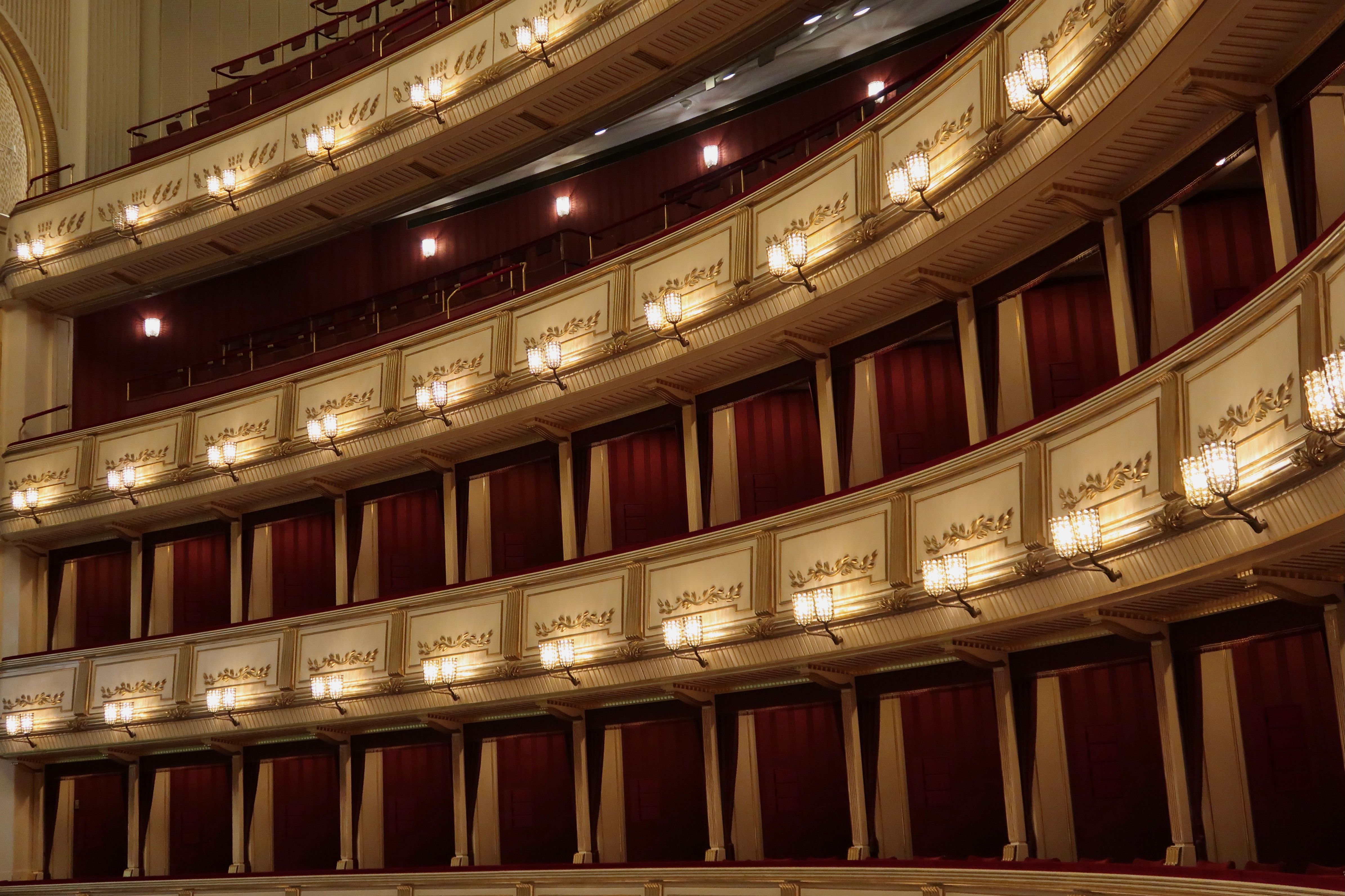
Vienna is the obvious classical choice, but it is not a one-genre museum. The State Opera’s extensive repertoire makes it possible to catch a different production on successive nights, while jazz rooms and electronic events offer a sharp change of scale. The city’s official opera guide is useful for checking current performances and booking details.
2. Salzburg, Austria
Mozart’s birthplace makes Salzburg a natural stop for classical listeners, especially during the Salzburg Festival season. Its compact old town gives concert-going a rare intimacy: historic churches, halls and theaters sit within an easy walk. Go for the music, but leave time for a daytime visit to Mozart’s birthplace and residence.
3. Berlin, Germany
Berlin’s musical appeal lies in its contrasts: the Philharmonie and major concert halls on one side, small live rooms and late-running electronic clubs on the other. The best plan is to choose a neighborhood and follow its listings rather than chase a mythical “best” club. The city’s club culture has its own history and local etiquette, so arrive curious, not entitled.
Jazz rooms, street sound and southern rhythms
4. Paris, France
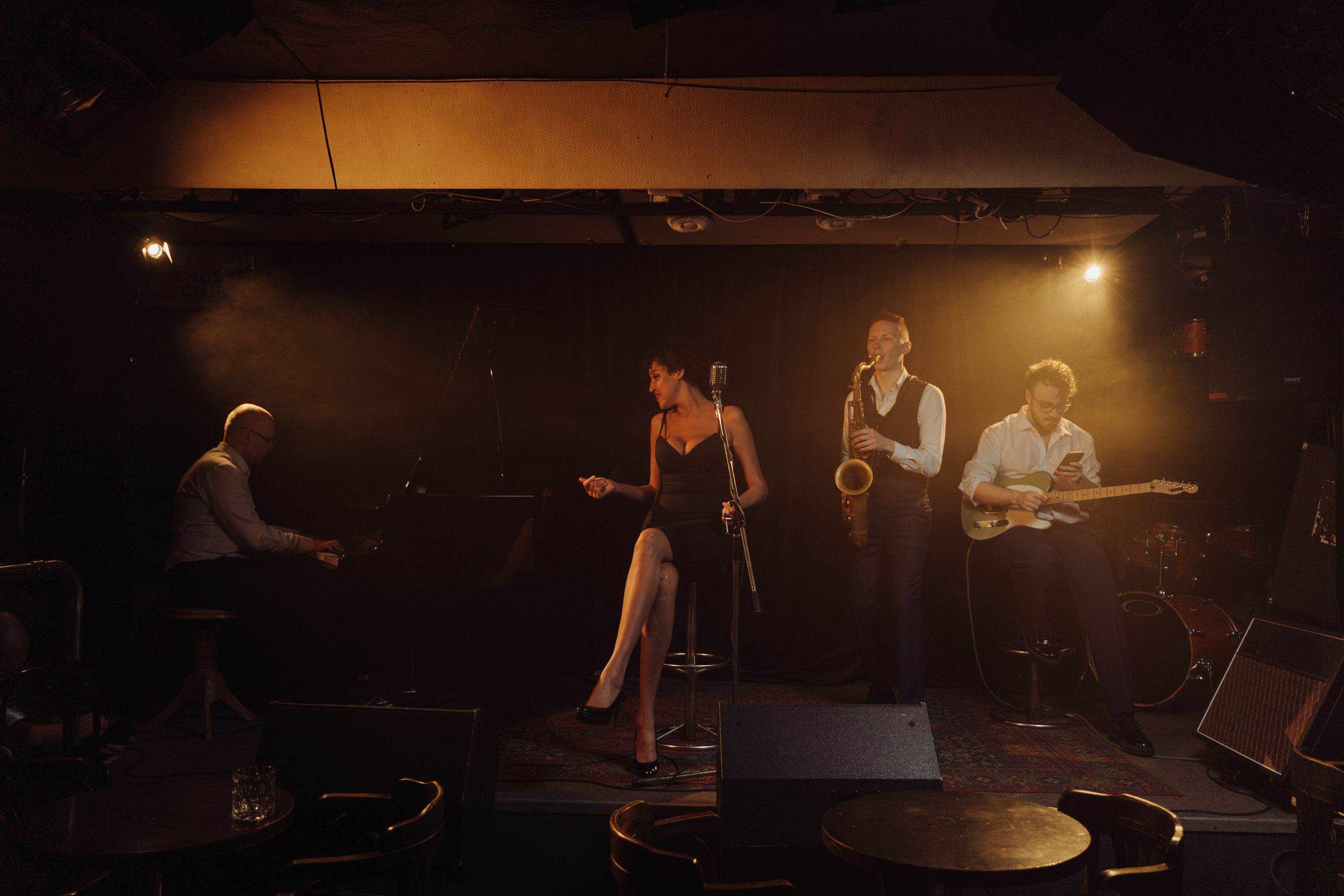
Paris offers a persuasive mix of jazz cellars, conservatory-trained classical performers and chanson traditions. Skip the idea that every night must be a famous venue: a small club can make a set feel like a conversation, while larger halls bring international names. For visitors arranging adult nightlife separately from concerts, Louisa is one resource to consider; it is not a music venue or gig guide.
5. Barcelona, Spain
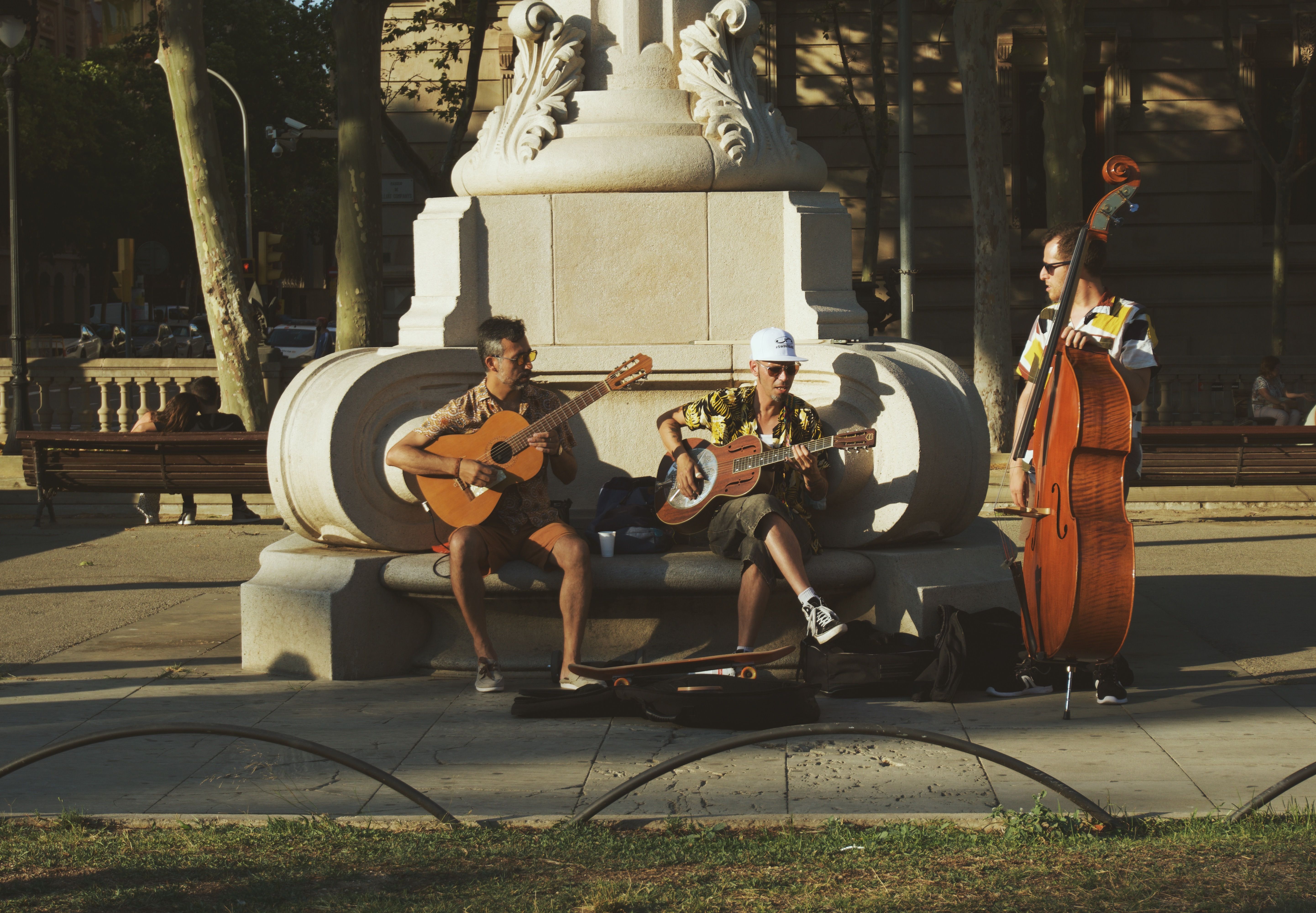
Barcelona’s music comes in many registers, from Catalan song and flamenco to indie, jazz and electronic nights. Its street musicians are part of the city’s daily sound, not merely a prelude to a ticketed show. Look beyond the busiest tourist streets for smaller venues, and check neighborhood schedules as well as major festival dates.
6. Seville, Spain
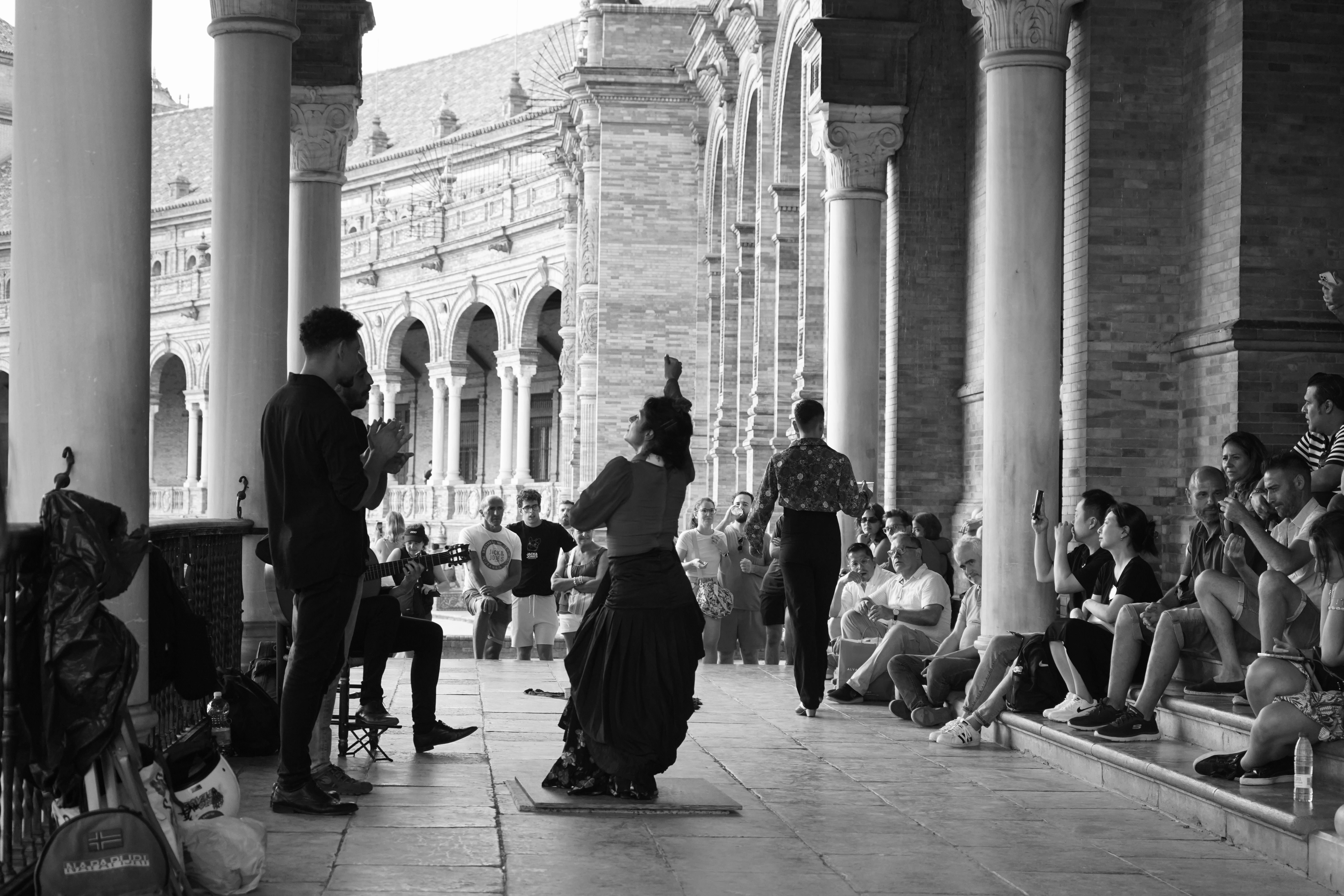
For flamenco, Seville is not just a convenient backdrop; it is a place to hear a living Andalusian form in intimate rooms. Prioritize a performance where singing, guitar and dance share the focus rather than treating the show as choreography alone. The city is also a fine base for exploring related traditions across southern Spain.
Pop history and cities that keep making it
7. Liverpool, England
Liverpool’s musical story reaches far beyond the Beatles. The city supports orchestral, indie, African and electronic music, with festivals and grassroots rooms giving local artists space alongside touring acts. UNESCO’s Creative Cities profile describes music as central to Liverpool’s identity and civic life, a useful reminder that the scene is made by more than its most famous export.
8. Glasgow, Scotland
Glasgow is a strong all-rounder: rock and pop, electronic music, classical concerts and an audience that takes live performance seriously. Its venues range from intimate clubs to major halls, and the city’s music education and independent scene help keep the calendar varied. It is an especially good pick if you want to discover artists before they become arena regulars.
9. London, England
London’s scale is its advantage and its trap. On a single trip, you can move between West End orchestras, jazz institutions, grime and rap nights, punk rooms and new bands, but crossing town can swallow an evening. Build each night around one area and one show. For depth and sheer choice, few European cities compete.
Small-city focus, big musical character
10. Amsterdam, Netherlands
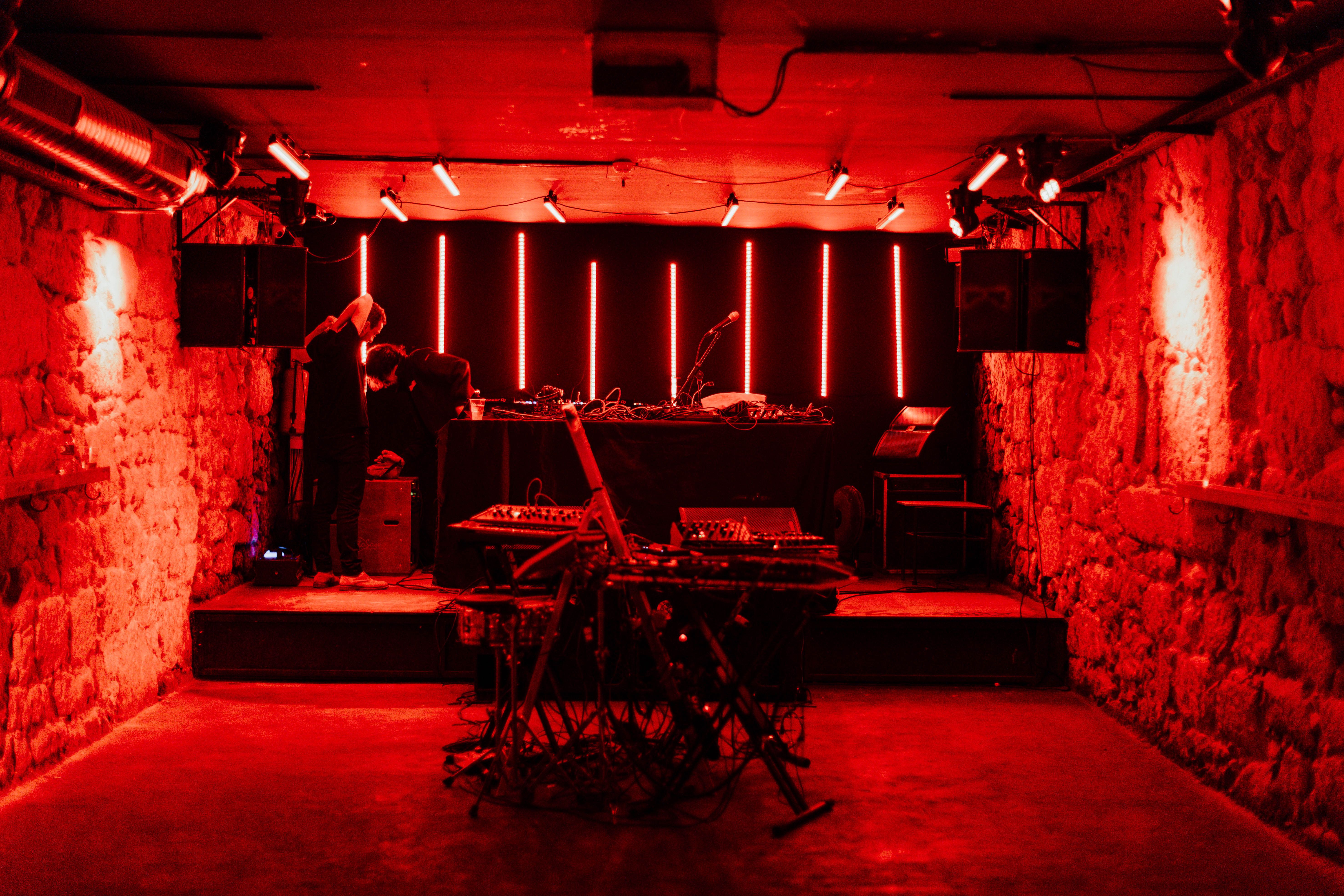
Amsterdam combines a major classical institution in the Concertgebouw with an adventurous club and electronic scene. Add intimate jazz venues and open-air summer programming, and the city works for travelers who want both attentive listening and a late night. Look for local promoters’ listings; the most interesting bill may be in a compact room rather than a headline venue.
11. Copenhagen, Denmark
Copenhagen rewards listeners drawn to jazz, experimental music and polished pop production. The city’s venues are manageable to navigate, making it easy to pair a concert with dinner or a second, smaller show. Its scene tends to feel curated rather than sprawling, which is an asset if you prefer a few thoughtful choices to an overwhelming calendar.
12. Prague, Czechia
Prague’s classical music heritage is visible in its churches and concert halls, but the city also has a lively jazz tradition and contemporary clubs. A concert in a historic room can be memorable, though venue quality varies; book through established halls when the performance itself matters more than the setting. For a compact musical city break, Prague is hard to beat.
Distinctive voices worth a detour
13. Budapest, Hungary
Budapest joins a formidable classical tradition to a contemporary nightlife scene shaped by converted spaces and independent promoters. The Franz Liszt Academy is a destination in itself, while smaller clubs bring jazz, electronic and alternative acts closer to the audience. Check the exact venue before buying: the city’s musical character changes markedly from one district to another.
14. Bologna, Italy
Bologna is a music city with a student pulse: classical institutions and opera sit alongside rock, jazz and a lively late-night culture. UNESCO’s profile notes the city’s public listening spaces, including a vinyl listening room opened in 2025, a welcome counterpoint to streaming-on-the-go habits. The result is a destination where listening can be an activity in its own right.
15. Dublin, Ireland
Dublin’s strength is the everyday gig: singer-songwriters, traditional sessions and touring bands share a city where live music is woven into pub and theater life. Do not assume the most famous pub guarantees the best performance; ask locally and follow the room rather than the reputation. Dublin suits travelers who value songs, stories and a close audience.
How to plan a music-first city break
Pick the sound you care about most, then choose a city with a second option for the night your first-choice show sells out. Reserve major opera, festival and arena tickets early, but leave one evening open for a smaller venue. A useful trick is to browse local listings before booking accommodation, then stay near the district where you expect to spend your nights.
Not every great music city has the same tempo. Vienna and Salzburg favor planned performances; Berlin and Glasgow reward exploration; Seville and Dublin are strongest when the music feels close to its roots. Use Free Radio Tune’s music collection to explore artists and sounds before you go, and let the live calendar decide the exact dates. The best 2027 trip is not necessarily the city with the most concerts; it is the one whose music makes you want to stay for another night.